9 min read
Disclosure: As an Amazon Associate and eBay Partner Network publisher, we earn from qualifying purchases. This doesn’t affect what we recommend or how we describe it.
Does a handled espresso tamper really make a difference, or is it just another accessory for home baristas to obsess over? The short answer: a tamper with a proper handle isn’t just about looks—it’s about control, comfort, and consistency. If you want to pull even, repeatable espresso shots at home, the right tamper (with a handle that fits your grip and workflow) is a genuine upgrade over the awkward disks that come bundled with most machines.
Let’s break down what makes a handled espresso tamper worth your money, how to choose the right one for your setup, and the real differences between the main designs on the market. You’ll find a comparison table, a quick decision tree for fast picks, and answers to the questions home brewers actually ask—so you can buy with confidence and tamp like a pro.
Spot the difference between handled and handle-less tampers
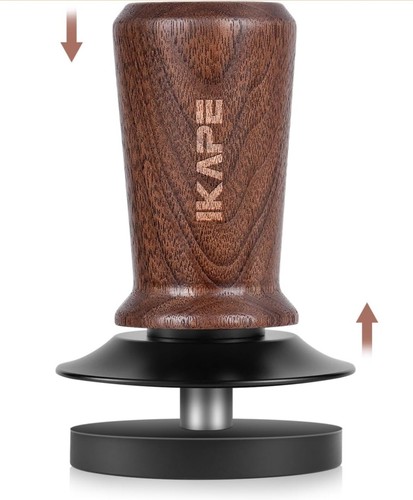
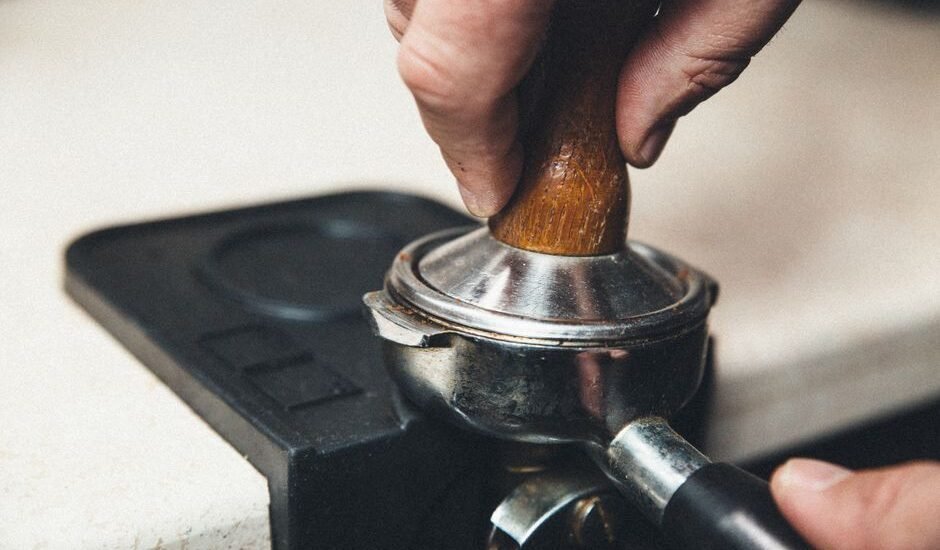
The first thing you’ll notice is the grip. Handled tampers—what most people picture as a “classic” barista tool—give you a dedicated stem to hold, letting you press down with your palm while keeping your wrist straight. That’s a big ergonomic advantage for anyone tamping more than a couple of shots a week.
Handle-less (or “puck” style) tampers are just a flat disk with no stem. They’re compact and easy to store, but most home brewers find them awkward for consistent pressure. They often come bundled with entry-level machines as a cost-cutting measure, not because they’re better for your coffee.
If you’ve ever struggled with uneven tamping, inconsistent shot times, or wrist fatigue, upgrading to a handled tamper is a simple, affordable fix. Most home espresso baskets are 58mm or 54mm in diameter, so choose a tamper with a base that matches your portafilter for the best fit (±0.2mm is ideal).
Choose the right espresso tamper with handle: comparison table
| Type | Handle Material | Base Diameter Range | Weight | Adjustability | Price |
|---|---|---|---|---|---|
| Classic Wooden Handle | Beech or Walnut | 49–58.5 mm | 300–450 g | Fixed | $$ |
| Ergonomic Aluminum Handle | Machined Aluminum | 51–58.5 mm | 350–600 g | Fixed | $$$ |
| Adjustable Depth Handle | Stainless Steel & Polymer | 53–58.5 mm | 400–700 g | Variable Depth (0–12 mm) | $$$ |
| Budget Plastic Handle | ABS Plastic | 49–58 mm | 200–320 g | Fixed | $ |
Price tiers ($/$$/$$$) read across this comparison only — they mark each product’s relative position from cheapest to priciest in the set. Actual prices live below.
Related Guides
- Our guide to How to Use an Espresso Tamper: A Practical Guide for Home Brewers
- Manual Espresso Levers That Are Actually Worth Buying
- Our guide to Stovetop Espresso Makers Reviewed: Which Ones Are Worth Buying?
- The Best Compact Espresso Machines for Small Kitchens and Home Setups
- Espresso Machines for Home Use, Reviewed
- AeroPress vs French Press: Which Makes Better Espresso-Style Coffee?
- Browse all Espresso & Milk →
Understand why tamp ergonomics matter (and why size isn’t “one size fits all”)
Handled tampers aren’t just about style—they’re about repeatable results. A well-designed handle lets you apply even pressure, straight down, without straining your wrist or caving in your palm. Over time, this makes a real difference in how consistently you can tamp, especially if you’re pulling back-to-back shots or dialing in new beans.
Size is another key factor. Most home espresso machines use either a 58mm or 54mm basket, but some machines (especially compact or older models) use 51mm or 49mm. Using a tamper that’s too small leaves loose grounds at the edge of the basket, causing channeling and weak, sour shots. Too large, and the tamper won’t fit at all. Measure your portafilter’s inside diameter with calipers if you’re unsure—a snug fit (within 0.2mm) ensures even extraction.
Weight also plays a role. Heavier tampers (350g and up) help you press evenly with less force, but some people prefer the lighter touch of a 200–320g tool. Try a few in person if you can—some local coffee shops will let you handle different types before you buy. If you want to see a wide range of handled tampers in action, the Specialty Coffee Association has useful resources for home enthusiasts.
Look for these overlooked features in handled tampers
Beyond the basics, a few features separate a genuinely good handled tamper from a cheap throw-in:
- Base finish: A polished stainless steel base glides smoothly over coffee grounds, reducing stickiness and clumping. Look for a mirror or matte finish—brushed finishes are less prone to visible scratches.
- Flat vs. convex base: Most home users do best with a flat base. A convex base (slightly rounded) can help reduce edge channeling in deeper baskets, but requires more careful technique.
- Adjustable depth: Some premium handled tampers let you preset the tamping depth (0–12mm), so you get the same compression every time. This is especially useful if you’re chasing ultra-consistent shot times or want to minimize user error. See today’s deals
- Removable handle: Interchangeable handles let you swap materials (wood, aluminum, rubberized) or change the height for different hand sizes. This is rare at the budget end, but more common in midrange and pro-level models.
Handled tampers with these features tend to last longer and feel better in daily use. For most home brewers, a fixed-depth, solid stainless steel tamper with a wooden or aluminum handle is the sweet spot. Check current prices
Quick decision tree
- If budget is the top concern: Choose a handled tamper with a plastic or basic wooden handle. It’s a big step up from “puck” tampers, even at entry-level prices.
- If you want maximum consistency: Go for an adjustable-depth handled tamper. These help you tamp to the same depth every time, minimizing channeling and shot variance.
- If you have wrist pain or limited grip strength: A heavier, ergonomic aluminum-handled tamper lets gravity do more of the work and reduces fatigue.
- If your machine uses a non-standard basket size (49mm, 51mm, 54mm): Make sure you buy a tamper with a matching base diameter—don’t just “eyeball” it.
- If aesthetics matter for your coffee corner: Classic wood-handled tampers pair well with most setups and age beautifully with use.
Master your tamping technique with a handled tamper
Even the best espresso tamper with a handle can’t fix sloppy technique, but it does make it far easier to get it right. Here’s how to get the most out of your upgrade:
- Level your grounds first. Use a distribution tool or tap the portafilter gently to settle the bed before tamping.
- Hold the tamper like a doorknob. Keep your wrist straight and elbow at 90°, then press down firmly and evenly. Aim for about 30 pounds (13.6 kg) of pressure—enough to compact the grounds, but don’t strain yourself.
- Give a gentle polish twist. After tamping, a slight twist (10–15°) helps smooth the surface for even water flow.
- Inspect your puck. The finished coffee bed should be level, smooth, and free of cracks or gaps at the edges.
If your shots are running too fast or slow, or you see uneven extraction, revisit your tamp pressure and distribution. A handled tamper makes it easier to spot and fix these issues.
Handled vs. handle-less tampers—which is better for home use?
Handle-less tampers (sometimes called “puck” tampers) are compact and easy to store, but they make it hard to apply even, vertical pressure—especially if your portafilter is deep or your hands are large. This often leads to uneven extraction, channeling, and wrist fatigue.
Handled tampers, by contrast, let you tamp with your whole arm, not just your fingers. This results in better consistency and less strain, making them the clear winner for anyone brewing espresso regularly at home. Unless you’re extremely short on space or only pulling a shot once a month, a handled tamper is the smarter choice. View what’s available
FAQs about espresso tampers with handles
How do I know which size tamper to buy for my portafilter?
Measure the inside diameter of your portafilter basket with calipers—most home machines use 58mm or 54mm, but some use 51mm or 49mm. Choose a tamper base that matches within 0.2mm for a snug, even fit. Too small, and grounds will escape around the edges; too large, and the tamper won’t fit at all.
Does tamper weight really make a difference?
Yes. Heavier tampers (350–700g) use gravity to help you apply even pressure, which can reduce wrist fatigue and help with consistent tamping. Lighter tampers are easier to maneuver but may require more force from your hand. Try different weights to find what feels best for you.
Handled vs. handle-less: which is better for beginners?
Handled tampers are almost always better for beginners. They provide a more natural grip and make it easier to tamp level and straight. Handle-less tampers tend to cause uneven pressure and are harder to control, especially for those new to espresso prep.
How long does a handled espresso tamper typically last?
A quality stainless steel tamper with a solid handle can last decades with proper care. Wooden handles may develop a patina or minor cracks over 5–10 years, depending on use and humidity, but the metal base is nearly indestructible. Plastic handles are more prone to cracking under heavy use.
Can I use the same tamper for different basket sizes?
It’s not recommended. Each tamper should match your basket size as closely as possible. Using a 58mm tamper in a 54mm basket leaves loose grounds, leading to channeling and poor extraction. If you own multiple machines or baskets, consider buying a separate tamper for each size.
What should I do if my tamper doesn’t fit perfectly?
If your tamper is slightly too small (by 0.5mm or less), you can still use it, but be extra careful to tamp evenly and check for loose grounds at the edges. If it’s too large to fit, you’ll need to buy a properly sized tamper. Some specialty shops offer custom-sized bases for odd basket sizes.
Are there any common failure points with handled tampers?
The most common issue is the handle loosening over time, especially with wooden handles. This can usually be fixed by tightening the stem. Plastic handles are more prone to cracking or breaking if dropped. Stainless steel and aluminum handles tend to be the most durable over years of daily use.
Ready to upgrade your espresso workflow?
An espresso tamper with a handle is one of the simplest, most effective upgrades you can make for better, more consistent shots at home. Whether you want a classic wood feel, the heft of a pro-grade aluminum tool, or the precision of an adjustable-depth model, there’s a handled tamper that fits your setup and budget. Measure your basket, pick your preferred handle, and enjoy the leap in quality with every tamp. Compare current options
For a deep dive into espresso tamping science, including pressure and technique studies, check out ScienceDirect’s coffee research section—it’s a goldmine for enthusiasts who want to go beyond the basics.
Last updated: June 2026 · Our editorial approach