10 min read
Disclosure: As an Amazon Associate and eBay Partner Network publisher, we earn from qualifying purchases. This doesn’t affect what we recommend or how we describe it.
Yes—a burr coffee grinder is worth it for most home coffee drinkers who care about flavor, consistency, and getting the best from their beans. The difference in grind quality, cup taste, and even brewing reliability is dramatic compared to blade grinders or pre-ground coffee. This guide breaks down what makes burr grinders different, where they shine (and where they don’t), and how to choose the right setup for your budget and brewing style.
Spot the difference between burr and blade grinders
Blade grinders chop beans with spinning metal blades—think of a tiny food processor. The result is uneven: some grounds are powder-fine, others chunky. That inconsistency leads to unpredictable extraction, muddy flavors, and even bitter or sour cups. Burr grinders use two abrasive surfaces (called burrs), usually shaped like cones or disks, that crush beans to a uniform size. You can set the gap between the burrs to control grind size. The result is even grounds, which means more reliable brewing and better-tasting coffee.
For everyday drinkers, the real-world impact is obvious. With a burr grinder, a French press brew tastes richer and less gritty. Pour-over brews are brighter. Espresso shots pull with real crema, not just a thin brown foam. If you’re spending money on good beans, the grinder is where you unlock their flavor—not the coffee maker.
Compare your grinding options side by side
| Category | Grind Size Range | Consistency | Burr Size (mm) | Speed (g/sec) | Price |
|---|---|---|---|---|---|
| The simplest, easiest-to-use option | Coarse–Fine (uncontrolled) | Poor | — | 1–2 g/sec | $ |
| The best pick for beginners | 24–40 settings | Good | 38–40 mm | 0.8–1.5 g/sec | $ |
| The value-for-money choice | 40–60 settings | Very Good | 48–54 mm | 2–3.5 g/sec | $$ |
| The premium option | Over 60 settings | Excellent | 58–64 mm | 3–5 g/sec | $$$ |
Pricing key: $ marks the budget tier, $$ the mid-range, $$$ the premium picks. Tiers are relative to the products in this comparison; actual prices update live below.
Related Guides
- Is a Burr Coffee Grinder Worth It? The Real Pros and Cons for Home Brewers
- Best Coffee Carafes Worth Buying: Our Practical Guide
- Our guide to Coffee Knock Boxes That Are Actually Worth Buying
- Our guide to Coffee Scales With Timers: Which Ones Are Actually Worth Buying?
- Our guide to Conical Burr Grinders for Great Drip Coffee at Home
- Our guide to Reusable Coffee Filters Worth Buying
Choose the right grinder for your brewing style
Deciding whether a burr grinder is worth it depends on how you make coffee and what you value most—taste, convenience, or price. Here’s how the main options stack up:
- Blade grinders: Cheap and small, but produce inconsistent grinds. Fine for spice grinding or ultra-casual coffee, but not for anyone chasing real flavor.
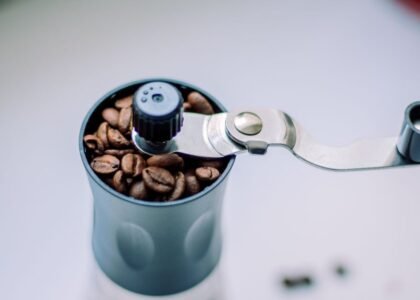
- Manual burr grinders: Affordable, portable, and surprisingly precise. Great for pour-over, Aero-style, or French press. They require elbow grease—expect 30–60 seconds to grind for a single mug.
- Entry-level electric burr grinders: Faster and easier than manual, with decent grind consistency. Good for drip, pour-over, and French press. Some can handle espresso, but may struggle with very fine settings or static issues.
- Premium electric burr grinders: Designed for espresso lovers or anyone brewing multiple cups daily. Offer fine-tuned adjustments, larger burrs (which means faster, cooler grinding), and more robust motors. These cost more, but deliver the kind of grind quality you need for serious espresso or high-end pour-over.
If you brew with a French press or drip machine, a manual or entry-level electric burr grinder will serve you well. Espresso drinkers will notice the biggest jump in cup quality by moving up to a premium burr grinder. For anyone still using a blade grinder, even the cheapest burr option is a huge upgrade in taste and consistency.
Check current pricesHow burr grinders change your coffee
The switch from blade to burr grinding isn’t just about technical specs—it’s about the experience in your cup. Here’s what you’ll notice:
- Cleaner, clearer flavors: Uniform grind size extracts more evenly, so you taste what the roaster intended. Fruit notes, chocolate, or floral aromas are more distinct.
- Less bitterness and muddiness: Fewer “fines” (tiny powdery bits) and “boulders” (large chunks) mean you avoid over- or under-extracting parts of the brew.
- Dial-in control: You can tweak grind size for your brew method, beans, or taste. That’s impossible with blade grinders, which only get coarser or finer by guesswork and shaking.
- Better espresso: Espresso is extremely sensitive to grind size. A burr grinder lets you make the small adjustments needed for a good shot. Blade grinders can’t get fine or consistent enough.
None of this means you need to spend a fortune. Even a budget manual burr grinder will outperform a blade grinder—and make every bag of beans go further, since you’re extracting more flavor with less waste.
View what’s availableSpecifications that actually matter
Burr Size
Larger burrs (measured in mm, e.g., 54 mm or 64 mm) grind faster and more evenly, and they stay cooler during extended use. For home use, anything above 38 mm is solid—go bigger if you brew for a crowd or want top-tier espresso performance.
Grind Size Adjustment
Look for the number of grind settings or steps. Manual grinders often have 24–40 clicks, while electric burr grinders can have 40–60+ settings. More settings mean finer control, especially for dialing in espresso or switching between brew methods.
Retention
This is the amount of coffee that stays trapped inside the grinder after use. Lower retention (under 1 gram) means less waste and fresher grounds, especially important when switching beans or brewing styles.
Speed and Throughput
Measured in grams per second (g/sec), this tells you how quickly the grinder processes beans. For single-cup brewing, 1–2 g/sec is fine. For larger batches or espresso, look for 3 g/sec or more to avoid long wait times and overheating.
Noise Level
Electric burr grinders can range from 60–80 decibels. If you brew early or live in an apartment, look for models on the quieter end of the spectrum, or consider a manual grinder for silent operation.
Will a burr grinder really improve my coffee?
Absolutely. The difference is especially noticeable with fresh, quality beans and any brewing method where grind size matters—French press, pour-over, espresso, or even drip. You’ll taste more clarity, sweetness, and balance. If you’ve only used pre-ground or blade-ground coffee, the upgrade is instantly obvious.
How much should I spend on a burr grinder?
Manual burr grinders start at the low end of the price spectrum and can deliver great results for pour-over and French press. Electric burr grinders range from budget-friendly to high-end. For most home users, a mid-range electric burr grinder balances performance and value. Premium models are best for espresso fans or anyone who wants pro-level consistency. See today’s deals
Can I use a burr grinder for espresso?
Yes, but not every burr grinder is up to the task. Espresso requires a fine, consistent grind and precise adjustment. Entry-level burr grinders may struggle at the finest settings or lack the micro-adjustments needed for dialing in shots. For regular espresso brewing, look for a grinder with at least 40 mm burrs and stepless (infinite) adjustment.
How long does a burr grinder last?
With regular cleaning and care, a quality burr grinder can last 5–10 years or longer. Burrs themselves may need replacement every 500–1500 pounds of coffee, depending on material and usage. Manual grinders tend to last even longer since they have fewer moving parts.
Burr vs blade grinder: which is better for French press?
Burr grinders are the clear winner for French press. The consistent coarse grind prevents over-extraction and reduces the amount of sludge in your cup. Blade grinders leave you with a mix of fine dust and large chunks, which makes for muddy, bitter results.
What’s the most common issue with burr grinders?
Static and retention—coffee grounds can cling inside the grinder or fly out due to static electricity, especially in dry climates. Some models also struggle with clogging at very fine settings. Regular cleaning and using slightly damp beans (the “Ross Droplet Technique”) can help reduce static.
Are burr grinders compatible with all brewing methods?
Most burr grinders cover the full range from French press to espresso, but some entry-level models may not get fine enough for true espresso or coarse enough for cold brew. Check the grind range and number of settings to ensure it fits your needs.
How do I clean and maintain my burr grinder?
Disassemble and brush out the burrs every few weeks, especially if you switch beans often. Avoid water unless the manufacturer says it’s safe—most cleaning is done with a dry brush or food-safe grinder cleaning pellets. This keeps flavors fresh and prevents old grounds from gumming up the works. For more on maintenance, see the Serious Eats coffee section for practical guides.
What’s the bottom line—should you upgrade?
If you care about coffee flavor, a burr grinder is the single best investment you can make for home brewing. Even a modest manual or entry-level electric burr grinder will noticeably improve your daily cup compared to blade grinding or pre-ground coffee. For espresso, a premium burr grinder is essential. Weigh your brewing habits, budget, and how much you value taste. But for most home enthusiasts, the answer is a clear yes: a burr coffee grinder is worth it.
Why do burr grinders cost more than blade grinders?
Burr grinders use precision-engineered metal parts and more powerful motors, which drives up manufacturing costs. The design also allows for consistent grind size and adjustable settings, features not found in the simpler blade models. For many, the improvement in cup quality justifies the higher price.
Can a burr grinder handle both espresso and French press grinds?
Most mid-range and premium burr grinders can cover the full spectrum from espresso-fine (around 200–400 microns) to French press-coarse (up to 1200 microns). Entry-level models may have a limited range and could struggle to produce the extremes needed for both brew methods. Always check the grind range specifications before buying.
How often should I replace the burrs in my grinder?
Replacement intervals depend on usage and burr material. Steel burrs typically last for 500–1500 pounds of coffee, while ceramic burrs may last a bit longer. If you notice your grinder producing more fines or uneven grounds, it’s a sign the burrs might need replacing.
Do manual burr grinders work as well as electric ones?
Manual burr grinders can produce excellent grind consistency, especially in the budget and mid-range categories. The main drawback is speed and effort—grinding for espresso or large batches by hand can be time-consuming. For single-cup pour-over or travel, manual grinders are a practical choice.
Is grind size adjustment stepless or stepped more important?
Stepless adjustment offers infinite control over grind size, ideal for espresso enthusiasts who want to fine-tune every shot. Stepped adjustment provides preset intervals, which is faster and easier for switching between brew methods. For most home users, stepped adjustment with enough settings (at least 20–30) is sufficient.
What’s the best way to reduce static and retention in a burr grinder?
Static and retention are common issues, especially in dry environments. Adding a single drop of water to your beans before grinding (the “Ross Droplet Technique”) can dramatically reduce static cling. Regular cleaning and tapping the grinder after use also help minimize leftover grounds.
Related Guides
- Is a Burr Coffee Grinder Worth It? The Real Pros and Cons for Home Brewers
- Best Coffee Carafes Worth Buying: Our Practical Guide
- Our guide to Coffee Knock Boxes That Are Actually Worth Buying
- Our guide to Coffee Scales With Timers: Which Ones Are Actually Worth Buying?
- Our guide to Conical Burr Grinders for Great Drip Coffee at Home
- Our guide to Reusable Coffee Filters Worth Buying



Last updated: June 2026 · How we cover this topic