9 min read
Disclosure: As an Amazon Associate and eBay Partner Network publisher, we earn from qualifying purchases. This doesn’t affect what we recommend or how we describe it.
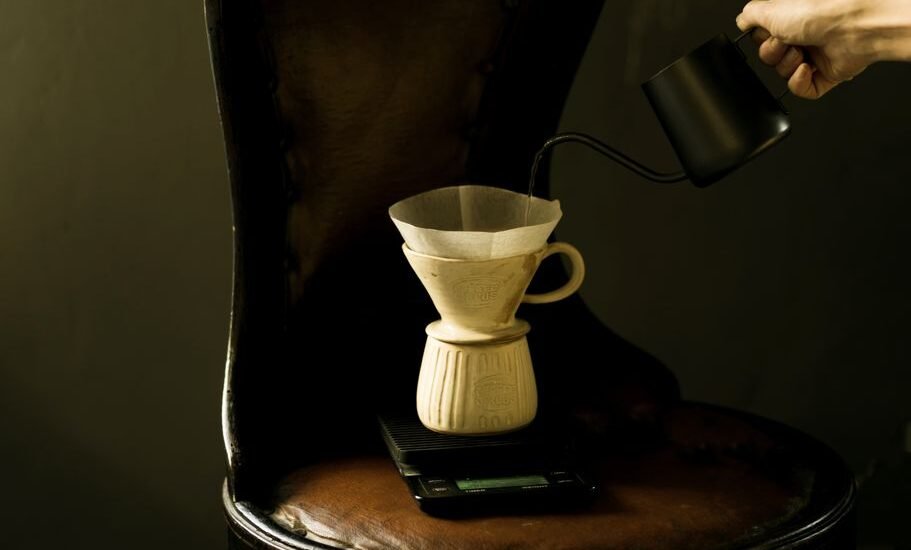
Do you really need a gooseneck kettle to get good results with a ceramic pour over coffee maker? Or can you get by with what you already have in your kitchen? The answer depends on your priorities—precision, convenience, and taste. A ceramic pour over is a classic, straightforward way to brew nuanced coffee at home, but the details matter. This guide walks you through exactly how to use a ceramic pour over coffee maker for reliable, delicious results, whether you’re a first-timer or looking to fine-tune your morning cup.
Ceramic Pour Over Brewing: What Sets It Apart?
Ceramic pour over coffee makers stand out for their heat retention, durability, and neutral flavor profile. Unlike plastic, ceramic won’t affect the taste of your coffee, and it holds temperature better than glass. That means more stable brewing temperatures—a factor that directly impacts extraction and flavor. Most ceramic drippers are sized for 1-4 cups and feature a conical or flat-bottom design with one or several drainage holes. The material itself is heavy enough to stay put on your mug or carafe, but not so fragile that it can’t handle daily use.
Compared to metal or glass, ceramic is less likely to impart off-flavors or cool down your water too quickly. But it does require a few tweaks to your usual pour over routine, especially when it comes to preheating and pouring technique. Understanding these differences helps you get the most from your gear.
Comparison Table: Different Ceramic Pour Over Setups
| Configuration | Cup Capacity | Filter Type | Dripper Diameter | Heat Retention (min) |
|---|---|---|---|---|
| Single-Cup Cone | 1 | V-shape paper | 100 mm | 8 |
| Multi-Cup Flat Bottom | 2-4 | Wave paper | 120 mm | 10 |
| Thick-Walled Classic | 1-2 | V-shape paper | 105 mm | 14 |
| Travel-Ready Compact | 1 | Flat-bottom mesh | 85 mm | 6 |
Related Guides
- How to Use a Ceramic Pour-Over Coffee Maker: Step-by-Step Guide
- Pour Over vs Drip Coffee Makers: How They Compare
- Our guide to Can You Use a Funnel for Pour-Over Coffee? What to Know Before You Brew
- Our guide to Electric Pour-Over Kettles That Are Actually Worth Buying
- AeroPress vs Pour Over vs Espresso: Which Brewing Method Suits You?
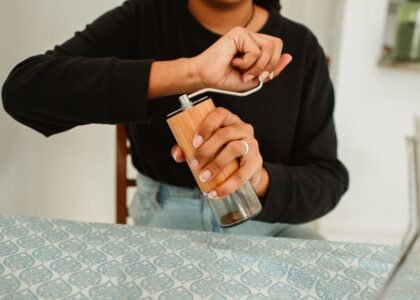
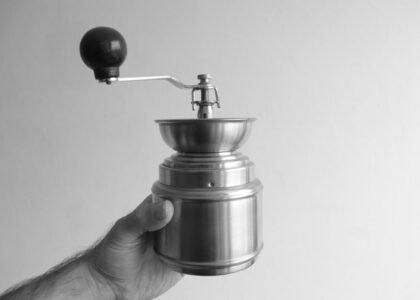
- Our guide to Ceramic vs Stainless Steel Coffee Grinders: Which Should You Choose?
Step-by-Step Guide: How to Use a Ceramic Pour Over Coffee Maker
- Preheat the dripper and vessel. Boil water and pour some through your ceramic dripper and the mug or carafe beneath. This stabilizes temperature and prevents heat loss during brewing.
- Weigh and grind your coffee. Use a digital scale and aim for 15-18 grams of coffee per 250 ml (about 8 oz) of water. Grind to a medium-coarse consistency—think table salt, not powder.
- Rinse the paper filter. Insert the paper filter into the dripper and pour hot water through it to remove any papery taste. Discard the rinse water before brewing.
- Add coffee and level the grounds. Pour your ground coffee into the filter and gently shake or tap the dripper to even out the bed for uniform extraction.
- Bloom with a slow pour. Start your timer and pour just enough water (about 2x the weight of coffee—e.g., 30-36 grams for 15-18 grams coffee) to saturate the grounds. Wait 30-45 seconds to allow gases to escape (the “bloom”).
- Continue pouring in slow circles. Pour the rest of your hot water (195–205°F / 90–96°C) in slow, even spirals, keeping the water level just above the grounds. Most brews finish in 2.5–3.5 minutes total.
- Let it drain and serve. Once the water has passed through, remove the dripper. Swirl your mug or carafe to mix the brew before serving.
Why Water Temperature and Pouring Technique Matter
Water temperature and pour speed are the two biggest variables you control during pour over brewing. For ceramic drippers, aim for water between 195–205°F (90–96°C). Too cool, and you’ll get a sour, under-extracted cup. Too hot, and bitterness creeps in. A variable temperature kettle makes hitting this range easy, but a good kitchen thermometer works too.
The shape and thickness of your ceramic dripper affect how quickly water flows through the bed of coffee. Thicker-walled drippers hold heat longer, which can extend extraction and highlight sweetness. Pour slowly, using a gooseneck kettle if possible, to control the flow and avoid channeling (uneven extraction). This is especially important with V-shaped drippers, which can clog if you pour too fast.
For more on the science of coffee extraction, see resources from the Specialty Coffee Association, which sets standards for brew temperature, grind size, and more.
Choosing the Right Filter for Your Ceramic Dripper
Paper filters are the most common choice for ceramic pour over makers. V-shape filters (often labeled as size 01, 02, etc.) fit conical drippers. Flat-bottom filters (sometimes called “wave” filters) work with flat-bottomed ceramic brewers. Mesh or metal filters are available for some compact or travel-friendly ceramic models, though they allow more oils and fines through, resulting in a heavier cup.
Paper filters generally yield the cleanest, brightest flavor. Always rinse them thoroughly with hot water before brewing to prevent off-flavors. If you prefer a richer, fuller-bodied cup, experiment with mesh filters—but be prepared for more sediment in your mug.
Quick decision tree
- If heat retention is your priority: Choose a thick-walled classic dripper for longer-lasting brew temperature.
- If you want to brew for two or more: A multi-cup flat bottom setup delivers consistent results for larger batches.
- If you travel or have limited space: Opt for a compact ceramic dripper with a mesh filter—less breakable and easy to pack.
- If you’re on a tight budget: A single-cup cone offers solid performance without frills.
- If paper taste bothers you: Try switching to a mesh or metal filter, keeping in mind the impact on cup clarity.
Dialing in Your Grind Size and Coffee Dose
Getting the grind right for your ceramic pour over is key. Too fine, and your brew will stall, extracting bitterness. Too coarse, and water passes through too quickly, leaving your coffee weak and sour. For most ceramic drippers, a medium-coarse grind (about 800–1000 microns, if your grinder has settings) works as a starting point. Adjust finer or coarser in small increments based on brew time and taste.
As for dose, 1:15 to 1:17 coffee-to-water ratio is a safe bet—meaning for every 1 gram of coffee, use 15–17 grams (or ml) of water. For a standard 12 oz (350 ml) mug, that’s 21–23 grams of coffee. A digital scale helps with accuracy and consistency, and it’s a worthwhile upgrade for anyone serious about pour over brewing. Compare current options if you’re considering a grinder or scale upgrade.
Cleaning and Maintenance Tips for Ceramic Pour Over Makers
Ceramic is durable but can stain over time, especially if you brew dark roasts or skip regular cleaning. Rinse your dripper with hot water after each use. For deep cleaning, use a soft sponge with mild dish soap. Avoid abrasive cleaners that can scratch the glaze. If you notice lingering odors or persistent stains, a soak in a 1:3 mix of distilled white vinegar and water for 15–30 minutes helps refresh the ceramic without harsh chemicals.
Check periodically for hairline cracks, especially if your dripper has taken a knock. While most ceramics are sturdy, a chipped or cracked dripper can eventually break during brewing. If you want a backup or a sturdier travel option, see today’s deals on compact ceramic brewers.
FAQs: Real-World Questions About Using Ceramic Pour Over Coffee Makers
How long does it take to brew a cup with a ceramic pour over?
From the first pour to the last drip, most ceramic pour overs finish in 2.5 to 3.5 minutes for a single mug. Larger multi-cup brewers can take up to 5 minutes. If your brew is much faster or slower, adjust your grind size or pouring speed.
What’s the difference between a cone and flat-bottom ceramic dripper?
Cone-shaped drippers (V-shape) tend to concentrate water flow toward a single point, which can highlight acidity and clarity. Flat-bottom drippers promote more even extraction and are often more forgiving for beginners. Both styles can produce great coffee, but the flat-bottom is less prone to clogging and channeling if your pouring technique isn’t perfect.
Do I need a gooseneck kettle for ceramic pour over brewing?
A gooseneck kettle gives you precise control over pour rate and direction, which helps avoid over-extraction or uneven brewing. However, you can start with a standard kettle and still get good results if you pour carefully. Upgrading to a variable-temperature gooseneck is worthwhile for consistency—check current prices before you buy.
How do I know if my mug or carafe is compatible with a ceramic dripper?
Measure the rim diameter of your mug or carafe. Most ceramic drippers are designed to fit vessels with a diameter of 75–100 mm (about 3–4 inches). If the dripper sits securely without wobbling, it’s a good fit. Some models have a base ring or tabs to improve stability.
Why does my ceramic dripper sometimes clog or drain slowly?
This usually means your grind is too fine, the filter is folded wrong, or you’re pouring too quickly and disturbing the coffee bed. Try coarsening your grind, pouring slower, or checking that your filter sits flush against the dripper walls. Also, make sure to rinse your filter thoroughly to avoid clogging from fine paper fibers.
Is there a typical warranty or return policy for ceramic pour over makers?
Most ceramic pour over makers come with a one-year limited warranty against manufacturing defects. Breakage from drops or thermal shock usually isn’t covered. Check the seller’s return policy before purchase—some offer hassle-free returns if your dripper arrives chipped or cracked. Always inspect your dripper after delivery and before first use.
Ceramic vs. plastic pour over drippers—which is better for heat retention?
Ceramic retains heat significantly better than plastic, which helps keep brewing temperatures stable and results in a more consistent extraction. Plastic drippers are lighter and less fragile, but if you value cup quality and don’t mind a bit of extra care, ceramic is the better choice for most home brewers.
Final Thoughts: Making the Most of Your Ceramic Pour Over
A ceramic pour over coffee maker is a simple, reliable tool that rewards careful attention to detail. Preheating, dialing in grind size, and mastering your pour are what really move the needle. While you don’t need fancy gear to get started, investing in a scale and a gooseneck kettle can help you brew more consistently. For deeper dives into advanced pour over techniques, the Coffee Institute offers further reading and brewing standards.
Ready to upgrade your home pour over setup? View what’s available and choose the right ceramic dripper for your routine and taste preferences.


Last updated: July 2026 · Our editorial approach